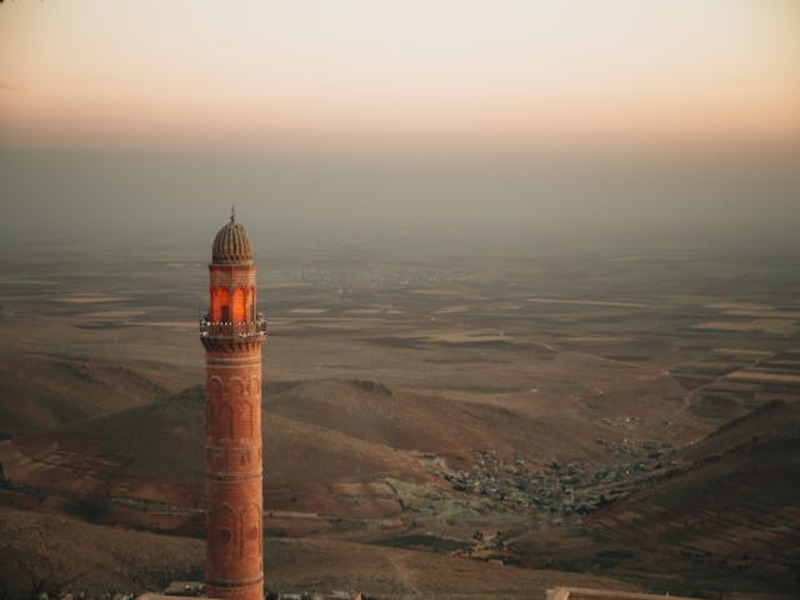
- Eastern Anatolia region
Turkey’s Forgotten Frontier
Eastern Anatolia: Turkey’s Forgotten Frontier
Beyond the crowded beaches and well-trodden paths of western Turkey lies a land of raw beauty, ancient history, and untamed wilderness—Eastern Anatolia. Often overlooked by travelers who dismiss Turkey as "too touristy," this rugged region offers an entirely different experience, one shaped by hardship, resilience, and breathtaking landscapes.
A Land Apart
While western Turkey thrives on tourism and investment, the east remains a world away—a place where time moves differently. Decades of conflict, economic neglect, and geographic isolation have left Eastern Anatolia underdeveloped, yet this very remoteness has preserved its authenticity. The moment you leave Sivas, the shift is palpable: the roads grow rougher, the villages quieter, and the horizon stretches uninterrupted by the concrete sprawl that scars so much of the modern world.
The Beauty of the Untouched
Here, nature still reigns supreme. The jagged peaks of Mt. Ararat, Turkey’s highest mountain, pierce the sky, often shrouded in mist before revealing themselves in a sudden, awe-inspiring display at dawn. Rolling steppe gives way to deep canyons, hidden valleys, and forgotten ruins—medieval castles that appear without warning, their stories untold in guidebooks. Unlike the plastic-strewn coasts of the Aegean, Eastern Anatolia’s landscapes remain pristine, a rare sanctuary where the earth feels untouched.
A Region of Contrasts
Yet this beauty comes at a cost. Life here is hard. Poverty lingers in villages where winters are brutal and opportunities scarce. Locals, though warm, are often reserved—accustomed to hardship rather than hospitality tailored for tourists. Children, curious and bold, will stop you to ask where you’re from, while their elders may watch silently before offering a cautious smile.
Timeless Encounters
In Sanlıurfa, the labyrinthine bazaars hum with a rhythm unchanged for centuries, where the scent of spices and the sound of haggling fill the air. Further east, the ghostly ruins of Ani, once a mighty medieval city, stand as silent witnesses to empires long fallen. On Nemrut Dağı, the colossal stone heads of ancient gods gaze eternally over the horizon, their expressions weathered but still commanding. And in Hasankeyf, a town now half-submerged by a controversial dam, the Tigris River whispers stories of civilizations swallowed by time.
The Changing East
The line between Turkey’s west and east is blurring. Cities like Gaziantep and Malatya now pulse with modern energy, their streets lined with cafes and boutiques. Yet places like Erzurum and Urfa still feel like gateways to another world, where the call to prayer echoes over rooftops and the pace of life follows an older, deeper rhythm.
Travel here is no longer the bargain it once was. As Turkish tourists and business travelers discover the east, hotels are upgrading, prices are rising, and the simplest guesthouses grow shabbier with each passing year. But for now, Eastern Anatolia remains a land of adventure—a place where every journey feels like a discovery, and every sunset over a forgotten ruin reminds you why you travel in the first place.
Go Before It Changes
Eastern Anatolia won’t stay this way forever. Roads will improve, more hotels will rise, and the world will inevitably encroach. But for those willing to venture beyond the familiar, this is where Turkey’s soul still runs deep—wild, untamed, and waiting.