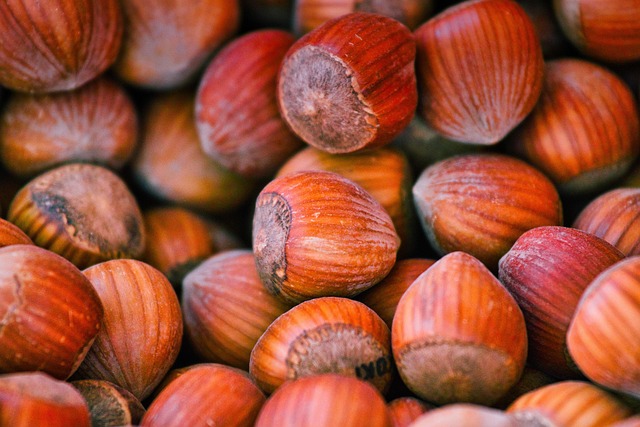
When one thinks of Turkey, hazelnuts are one of the iconic flavors that come to mind; when one thinks of the world, Turkey is one of the top producers that comes to the fore. The heart of this valuable product beats in the Black Sea Region, an inseparable part of Turkey's geographical and cultural fabric. The lush green slopes displaying every shade of green, the fertile lands, and a unique climate enable the growth of this "green gold," which supplies approximately 65-70% of the world's hazelnut production.
History and Geographical Distribution
The Black Sea Region, considered the homeland of the hazelnut, has a history of hazelnut cultivation dating back thousands of years. Hazelnuts, an important commercial commodity during the Ottoman Empire, became the primary source of livelihood for the region after the proclamation of the Republic, supported by state policies.
The main hazelnut-producing provinces are Ordu, Giresun, Trabzon, Düzce, Sakarya, and Samsun. Ordu and Giresun stand out both in terms of production quantity and quality. Giresun's "Giresun Quality" hazelnuts have become a global brand due to their high oil content and aroma. The mountainous terrain of the region has led to hazelnut farming typically being done on sloping lands, in the form of small family businesses.
Climate, Soil, and Cultivation Process
The Black Sea Region offers ideal climatic conditions for hazelnuts:
Climate: A temperate, rainy climate prevails. Hazelnuts meet their winter chilling requirement and continue their development with summer rainfall and humidity.
Soil: Deep, permeable, humus-rich, and slightly acidic soils provide the most suitable environment for hazelnuts.
Hazelnut cultivation is a process that requires patience and effort:
Planting and Pruning: Saplings planted in winter or early spring are made productive through regular pruning.
Harvest: The period from late July to August is when the hazelnuts ripen and are harvested. The traditional method of shaking the branches or hand-picking is used. This period passes almost like a mobilization and celebration in the region.
Processing: The collected hazelnuts are dried in the sun on concrete or earth "threshing floors" and then separated from their shells using hulling machines.
Economic and Socio-Cultural Impacts
The hazelnut is not just an agricultural product; it is the cornerstone of the social and economic life of the Black Sea.
Economy: It is the livelihood for hundreds of thousands of families. It is a significant export item for Turkey, generating billions of dollars in foreign exchange revenue annually. It is the raw material for the global chocolate and confectionery industry.
Culture: The hazelnut is identified with Black Sea culture and identity. It has been the subject of jokes, folk songs, and poems. Harvest time is a social event where families come together, and the finest examples of neighborly cooperation (imece) are seen.
Cuisine: In the regional cuisine, hazelnuts are frequently used as hazelnut oil, hazelnut flour, and roasted hazelnuts. Furthermore, they are an indispensable component of many Turkish desserts, such as baklava.
Challenges and Future Perspective
Black Sea hazelnut production also faces some challenges:
Price Fluctuations: The most pressing issue for producers is the fluctuating hazelnut prices from year to year.
Aging Orchards: Old, low-yield, disease-prone bushes need to be renewed.
Climate Change: Irregular rainfall, sudden temperature changes, and frost events directly threaten production.
Costs: Rising costs of fertilizer, labor, and other inputs reduce producer profitability.
The steps that need to be taken to overcome these challenges and secure the future of the sector are:
Quality and Yield-Oriented Production: Rehabilitating old orchards, disseminating modern agricultural techniques, and promoting the use of certified saplings.
Branding and Marketing: Strengthening the "Black Sea Hazelnut" geographical indication, developing high value-added products (organic hazelnuts, hazelnut butter, hazelnut milk, etc.) to achieve a stronger position in the market.
R&D Studies: Supporting scientific research to develop new climate-resistant varieties and increase productivity.
Producer Organization: Strengthening cooperativization, increasing producers' bargaining power and market knowledge.
The Black Sea hazelnut is more than just an agricultural product; it is a cultural heritage, a passion, and a way of life. This valuable product, representing Turkey in world markets, continues to be cultivated today, as it has been for thousands of years, with the sweat and effort of the Black Sea people. With rational policies, sustainable agricultural practices, and producers receiving the value they deserve, the "green gold" of the Black Sea will continue to shine for future generations.
---*