Rize
Nestled within Turkey's unique geographical and cultural mosaic, Rize is a captivating city in the Black Sea Region, renowned for its natural beauty, historical texture, and distinctive culture. With its lush highland pastures, deep valleys, rushing streams, and of course, its world-famous tea, Rize is not just a city but a way of life itself.
A City in the Heart of Nature
Rize is like an open-air museum where nature lavishly displays all its colors. This geography, where the fierce waves of the Black Sea crash against green hills, possesses a unique microclimate. Receiving abundant rainfall throughout the year, the region remains cloaked in a verdant green blanket year-round.
- Highlands (Yaylas): The highlands are the first thing that comes to mind when one speaks of Rize. Ayder Yaylası, with its hot springs and magnificent scenery, is the most famous highland not just of the city but of the entire Black Sea. However, Rize is more than just Ayder. Dozens of other highlands like Çat Yaylası, Pokut Yaylası, Sal Yaylası, and Çinçiva (home to the Palovit Waterfall) are paradises for those seeking tranquility and peace. The annual highland festivals offer a chance to witness traditional culture at its most vibrant.
- Fırtına River (Fırtına Deresi): This is one of the most vital elements giving life to Rize's geography. The river, boasting one of the best rafting courses in Turkey, is also famous for the stunning natural landscapes around it and its historic arch bridges.
The Capital of the World's Tea
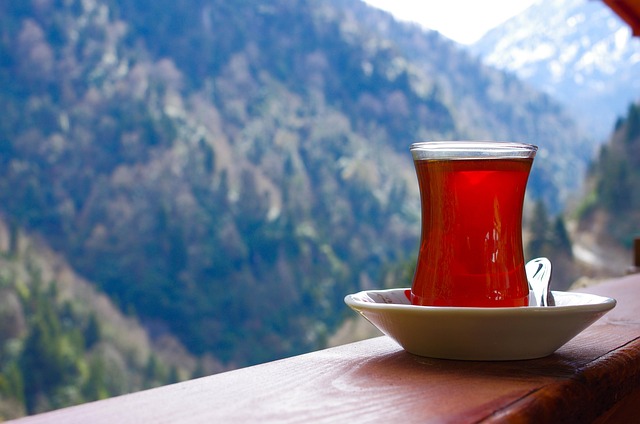
Tea is the symbol of Rize and the cornerstone of its economy and social life. The tea adventure, which began with seeds planted in the 1920s, has made Rize one of the world's important tea producers. The Rize Tea Factory and Çaykur in the city center are living witnesses to this history. Lush tea gardens can be seen in every corner of the city. A cup of strong Rize tea is the most sincere expression of this land's hospitality and warmth.
Deep Traces of History
Rize's history stretches back to ancient times. The region has hosted numerous civilizations, including the Cimmerians, Persians, Roman Empire, Byzantine Empire, and the Empire of Trebizond. It was incorporated into the Ottoman lands in 1461 with the conquest of Trebizond by Fatih Sultan Mehmet.
This rich historical past is evident in the historical structures scattered throughout the city:
- Rize Castle: Located in the city center and offering a fantastic panoramic view, the castle dates back to the Byzantine era.
- Zil Castle: This majestic castle, rising on a hill overlooking the Fırtına River Valley in Çamlıhemşin, is one of the region's most iconic structures.
- Arch Bridges: The elegant stone arch bridges, iconic examples of Black Sea architecture, adorn Rize's valleys and streams. These bridges are not merely transportation links but also works of art.
Stations of Taste: Rize Cuisine
Rize's cuisine reflects all the characteristics of Black Sea cuisine. Anchovy is the undisputed king of the kitchen. Dozens of varieties of anchovy, including steamed, fried, and bread, can be sampled in Rize. However, one of the most unique delicacies specific to Rize is "muhlama" (also known as "kuymak"). This dish, made from the magnificent harmony of cornmeal, butter, and cheese, is indispensable on cold winter days. Furthermore, desserts like Laz böreği (a pastry with custard) and pepeçura (a fruit pudding) are also essentials of Rize's cuisine.
Culture and People
The people of Rize are known for their hard work, hospitality, and connection to nature. The challenging geographical conditions have fostered resilience and practical intelligence in the people of Rize. The traditional "horon" dance is performed with great enthusiasm to the accompaniment of the "kemençe" (a string instrument) and is one of the most important rituals of Rize culture.
Last Modification : 9/18/2026 12:36:03 AM