Southeastern Anatolia Region
Southeastern Anatolia, one of Turkey's seven geographical regions, is not merely a piece of land but the heart of a millennia-old history, bearing the traces of countless civilizations and a mosaic of cultures and faiths. Located at the westernmost tip of the Fertile Crescent, these lands have hosted the most critical turning points in human history, serving as a center of attraction in every period due to their riches and strategic location.
The Zero Point of History: An Ancient Heritage
Southeastern Anatolia is virtually an open-air museum. The first steps of humanity's transition from hunter-gatherer to settled life and an agricultural society were taken here. Göbekli Tepe was a discovery that rewrote world history in this sense. Dating back to 10,000 BC, this structure, known as the world's oldest monumental temple, proved the existence of human communities with complex belief systems and organized labor force in a period before pottery and even settled village life.
Settlements like Çayönü and Nevali Çori that followed Göbekli Tepe witnessed the first experiments in agriculture and animal husbandry. The region later fell under the dominion of great empires such as the Hittites, Hurrians, Assyrians, Urartians, Persians, Romans, and Byzantines. Each civilization laid the foundations of today's multi-layered structure by imprinting its own culture, architecture, and technology onto these lands.
The Two Keys to Civilization: The Euphrates and The Tigris
At the heart of the region flow two great rivers that have given life to civilizations throughout history: the Euphrates and the Tigris. These ancient rivers were not just water sources but also vital arteries carrying fertility, trade, and culture. The Euphrates and Tigris, featured in legends and poems, also harbor a rich historical heritage with the ancient cities built on their banks (such as Zeugma). As the lifeblood of Mesopotamia, these rivers remain at the center of the region's social and economic life today, just as they have for thousands of years.
A Mosaic of Culture and Faith
The region is one of Turkey's richest mosaics in terms of ethnic and religious diversity. Communities such as Turks, Kurds, Arabs, Zazas, Syriacs, Armenians, and Yazidis have created a common culture of coexistence for centuries. This is reflected in every aspect of the region, from its culinary culture and music to its wedding traditions and holiday celebrations.
Southeastern Anatolia is also of great importance for faith tourism, hosting sites considered holy by all three Abrahamic religions. Şanlıurfa is known as the "City of Prophets." The cave where Prophet Abraham is believed to have been born and Balıklıgöl (the Pool of Sacred Fish), where he is said to have been thrown into the fire, are visited by thousands of domestic and foreign tourists every year. Mardin stands out with its monasteries and churches. Deyrulzafaran and Mor Gabriel Monasteries are important religious centers for the Syriac community.
Land of Flavors
The Southeastern Anatolian cuisine is one of the most unique and rich branches of Turkish cuisine. It offers a feast of flavors where spices are used masterfully and meat takes center stage. Cities like Gaziantep and Adıyaman, the first that come to mind when lahmacun and kebab are mentioned, have been included in the UNESCO Creative Cities Network under the "Gastronomy" category.
- Gaziantep: Baklava, pistachios, içli köfte, ali nazik kebab.
- Şanlıurfa: Çiğ köfte, Urfa kebab, şıllık dessert, lahmacun.
- Adıyaman: Çiğ köfte, Adıyaman tava.
- Diyarbakır: Stuffed ribs, meftune, lebeniye soup, kadayıf.
These flavors are not just dishes; they are a reflection of a culture and social life thousands of years old.
Economy and the Transformative Power of GAP
Having had a rural and agriculture-based economy for many years, the region is undergoing a major transformation with the Southeastern Anatolia Project (GAP). Thanks to the massive dams (Atatürk Dam, Ilısu Dam, etc.) built on the region's lifelines, the Euphrates and Tigris rivers, the water potential of these two rivers is now being effectively used for agriculture and energy. Arid lands have become irrigable, and the cultivation area for high-income products like cotton, corn, pistachios, and olives has expanded. This has put the region on the path to becoming "Turkey's cotton granary."
The impact of GAP is not limited to agriculture; it has also brought dynamism to the region in hydroelectric energy production from the rivers, industry, urbanization, and tourism. Particularly, Gaziantep has become the economic locomotive of the region with its organized industrial zones and export capacity.
Modern Times and Tourism Appeal
The region has increasing tourism potential in recent years. In addition to its historical and cultural riches, the physical and infrastructural improvements the cities have undergone have made them more attractive to tourists.
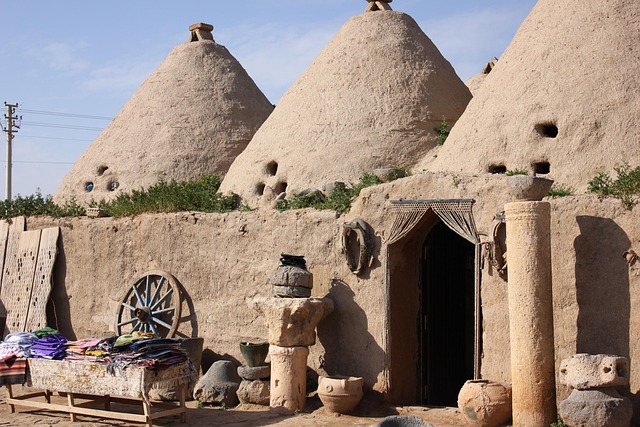
- Şanlıurfa: Göbekli Tepe, Balıklıgöl, Harran houses.
- Mardin: A cultural treasure with its historic stone houses, narrow streets, and breathtaking view.
- Diyarbakır: Its walls, Hevsel Gardens (UNESCO World Heritage Site), Ulu Mosque.
- Hasankeyf (Batman): Although much of Hasankeyf, an open-air museum with thousands of years of history, is now submerged under the Ilısu Dam, it continues to bear witness to history through its relocated monuments.
The Southeastern Anatolia Region is one of Turkey's most dynamic and colorful areas, with its profound history, the mosaic where faiths and cultures meet, unique flavors, and the vitality provided by the Euphrates and Tigris. These lands, which blend the ancient traces of the past with the hope of the future, are like a treasure waiting to be discovered. They offer every visitor a piece of humanity's common story and invite them to become a witness to this unique heritage.
Last Modification : 9/18/2026 12:36:55 AM