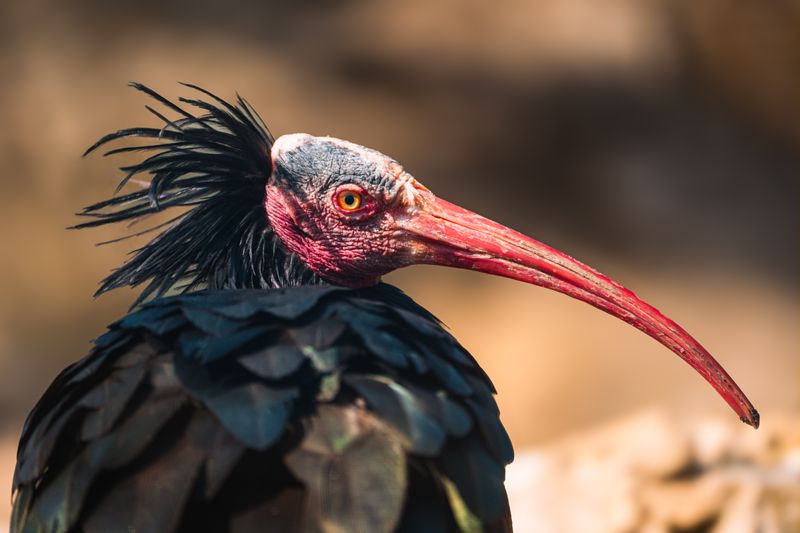
Located on the banks of the Euphrates River in southeastern Türkiye, Birecik is a fascinating destination where history, nature and local culture come together. Although the town is often visited as part of a wider Southeastern Anatolia or GAP tour, Birecik has a remarkable attraction of its own: the bald ibis, locally known as the kelaynak.
With its unusual appearance, long curved bill and bare red head, the bald ibis is one of the most distinctive birds found in Türkiye. Birecik has become closely associated with this endangered species, making the town an important destination for travelers interested in wildlife, conservation and the natural heritage of Anatolia.
Birecik: A Historic Town on the Euphrates
Birecik is situated along one of the most important rivers in the Middle East, the Euphrates. The river has played a major role in the history and geography of Mesopotamia for thousands of years.
The location of Birecik has made it an important settlement throughout history. Its position on the Euphrates connected different regions of Mesopotamia and Anatolia, while the river provided water, agriculture and transportation.
Today, visitors can experience a very different atmosphere from the major tourist centers of southeastern Türkiye. Birecik offers a slower and more local experience, particularly along the Euphrates waterfront.
The town is also known for its traditional local cuisine, riverside restaurants and spectacular views of the Euphrates.
What Is a Kelaynak?
The kelaynak is the Turkish name for the Northern bald ibis, a bird scientifically known as Geronticus eremita. It is easily recognized by its dark body, long curved beak and distinctive bald, reddish head.
Unlike many birds that are difficult for visitors to identify, the kelaynak has an unmistakable appearance. Its combination of dark feathers and a bare red head makes it one of the most unusual birds in the region.
For centuries, these birds were an important part of the natural environment around Birecik. Local people became familiar with their seasonal movements and nesting habits, and the birds became part of the cultural identity of the town.
Why Are Kelaynak Birds Important?
The kelaynak is important not only because of its unique appearance but also because of its conservation status.
The species has experienced a dramatic decline in its natural population. Habitat changes, environmental pressures and other factors have contributed to the reduction of wild populations across the Middle East and North Africa.
Birecik therefore has a special role in the protection of the species in Türkiye.
The town is home to a conservation and breeding facility where kelaynak birds are protected, monitored and bred. The facility gives visitors an opportunity to see these remarkable birds while also learning about conservation efforts.
For travelers, a visit is more than simply seeing an unusual bird. It provides an insight into the challenges of protecting endangered wildlife and preserving Türkiye's natural heritage.
Visiting the Kelaynak Breeding Station
One of the highlights of visiting Birecik is seeing the kelaynak conservation facility.
The birds can be observed relatively closely, making the experience particularly interesting for photographers, birdwatchers and families. Visitors can learn about the life cycle of the birds, their migration patterns and the conservation measures used to protect them.
The best time to observe the birds depends on the season and the conditions at the facility. Because wildlife conservation programs can change their visiting arrangements, travelers should check current visitor information before planning their visit.
A professional local guide can also make the experience considerably more meaningful by explaining the relationship between the kelaynak and Birecik's history and local traditions.
The Euphrates and Birecik's Natural Landscape
The kelaynak is only one part of Birecik's natural attraction.
The Euphrates dominates the landscape around the town and creates an important ecological environment for numerous bird species. The riverbanks provide opportunities to observe birds and experience the landscape of southeastern Türkiye.
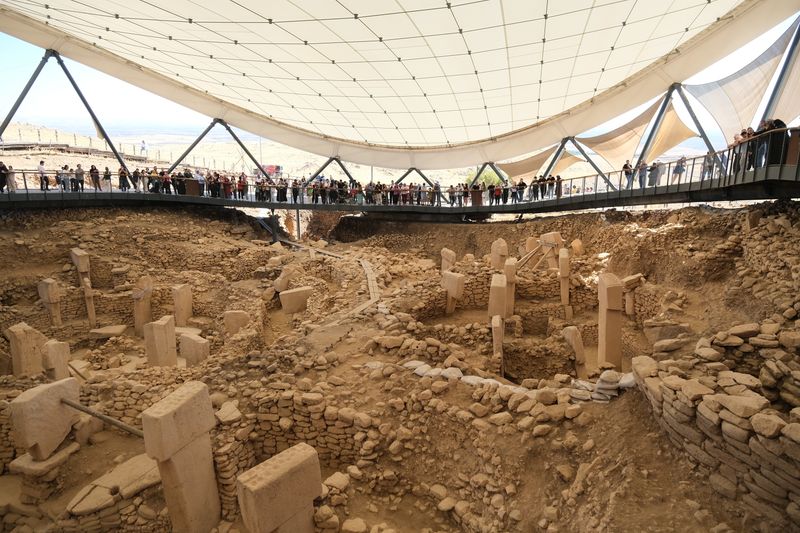
For visitors traveling through the GAP region, Birecik offers an interesting contrast to archaeological destinations such as Göbekli Tepe, ancient Harran and Zeugma.
Instead of focusing only on ancient monuments, a stop in Birecik introduces travelers to another dimension of the region: its wildlife and living environment.
This combination of archaeology, history and nature is one of the reasons why the southeastern part of Türkiye is becoming increasingly attractive to international travelers.
Birecik's Historical and Cultural Heritage
Although the kelaynak is now one of Birecik's most famous symbols, the town has much more to offer.
Birecik Castle stands above the town and reflects the strategic importance of the settlement throughout history. The surrounding landscape also contains traces of the long relationship between human communities and the Euphrates.
The town's traditional streets, local markets and riverside atmosphere provide visitors with an opportunity to experience everyday life in southeastern Türkiye.
Birecik is also famous for its local food culture. The region is particularly well known for dishes based on local ingredients, grilled meats and traditional southeastern cuisine.
Combining a visit to the kelaynak station with lunch beside the Euphrates can therefore become a memorable part of a GAP itinerary.
Birecik on a GAP Tour
Birecik is particularly easy to include in a wider Southeastern Anatolia itinerary.
A typical route can connect Gaziantep, Birecik, Şanlıurfa, Harran, Göbekli Tepe, Mardin and Midyat. Depending on the length of the trip, travelers can also continue toward Diyarbakır and other destinations in the region.
Birecik is located between Gaziantep and Şanlıurfa, making it a convenient stop during a road trip.
A few hours can be enough to visit the kelaynak facility, explore the town and enjoy the Euphrates. Travelers with more time can spend longer discovering the local landscape and cultural heritage.
For international visitors, this is especially valuable because Birecik offers an experience that is different from the better-known archaeological sites of the region.
Why Should You Visit Birecik?
There are many reasons to include Birecik in a trip through southeastern Türkiye.
First, it is one of the best places in Türkiye to learn about the kelaynak and conservation efforts protecting this endangered bird.
Second, its location beside the Euphrates provides beautiful natural scenery and an opportunity to understand the importance of the river to Mesopotamian civilization.
Third, Birecik offers an authentic local atmosphere that complements the archaeological and historical attractions of the GAP region.
Most importantly, visiting Birecik allows travelers to see how natural and cultural heritage are interconnected.
The story of the kelaynak is not simply a story about a bird. It is also a story about migration, changing landscapes, human settlement and the effort to preserve a species that has become part of the identity of a particular place.
Birecik: A Small Town with a Remarkable Story
Birecik may not have the international fame of Istanbul, Cappadocia or Ephesus, but that is precisely what makes it interesting.
Here, the Euphrates continues to shape the landscape, local life continues along the river and the kelaynak remains a powerful symbol of the region's natural heritage.
For travelers exploring southeastern Türkiye, a visit to Birecik provides a chance to step beyond the traditional tourist route and discover a different side of Anatolia.
Whether you are interested in wildlife, photography, history, culture or simply looking for unusual experiences during a GAP tour, Birecik and its kelaynak birds deserve a place on your itinerary.
The sight of these extraordinary birds against the landscape of the Euphrates is a memorable reminder that the heritage of Türkiye is not limited to ancient stones and archaeological sites. It also includes the living species, landscapes and traditions that continue to connect the past with the present.