Southeastern Turkey: The Ultimate Travel Guide
Discover the Soul of Southeastern Turkey
Southeastern Turkey is one of the most fascinating and culturally rich regions of the country. Located between the Mediterranean, Eastern Anatolia and the borders of Syria and Iraq, this extraordinary destination offers a journey through thousands of years of human history. Often associated with ancient Mesopotamia, the region is home to some of the world's oldest archaeological sites, impressive Roman cities, medieval Islamic architecture, historic monasteries and traditional stone-built settlements. From the mysterious prehistoric temples of Göbekli Tepe to the magnificent stone houses of Mardin, from the ancient streets of Diyarbakır to the culinary traditions of Gaziantep, Southeastern Turkey offers an unforgettable experience for travellers interested in history, archaeology, architecture, culture and gastronomy. Unlike Türkiye's popular coastal destinations, Southeastern Turkey provides a deeper connection with the country's ancient civilizations and living cultural traditions. Whether you are planning a short cultural escape or a 7–10-day journey, this region deserves a place on your travel itinerary.
1. Understanding Southeastern Turkey
Southeastern Anatolia, known in Turkish as Güneydoğu Anadolu, is one of Türkiye's seven geographical regions. The region consists of nine provinces:
- Gaziantep
- Şanlıurfa
- Mardin
- Diyarbakır
- Adıyaman
- Batman
- Siirt
- Şırnak
- Kilis Geographically, the region is closely connected with Upper Mesopotamia, the historical land between the Euphrates and Tigris rivers. These two great rivers played a crucial role in the development of early agriculture, permanent settlements, trade networks and ancient civilizations. For thousands of years, different peoples and empires have left their marks on this land, including the Sumerians, Akkadians, Assyrians, Hittites, Persians, Greeks, Romans, Byzantines, Arabs, Seljuks and Ottomans. This remarkable historical diversity is still visible in the region's architecture, religious monuments, languages, music and cuisine.
2. The Historical Importance of Southeastern Turkey
Southeastern Turkey is particularly important for understanding the origins of human civilization. The surrounding Mesopotamian landscape witnessed some of humanity's most significant transformations, including the development of agriculture, animal domestication, permanent settlements and organized religious practices. One of the most remarkable archaeological discoveries in the region is Göbekli Tepe, which has fundamentally changed our understanding of prehistoric societies. The region also preserves important evidence of Roman urban life, early Christianity, Byzantine religious architecture and the development of Islamic civilization. For history enthusiasts, visiting Southeastern Turkey is not simply a holiday. It is a journey through the different stages of human civilization.
3. The Best Places to Visit in Southeastern Turkey
1. Şanlıurfa: The City of Prophets and Ancient Civilizations
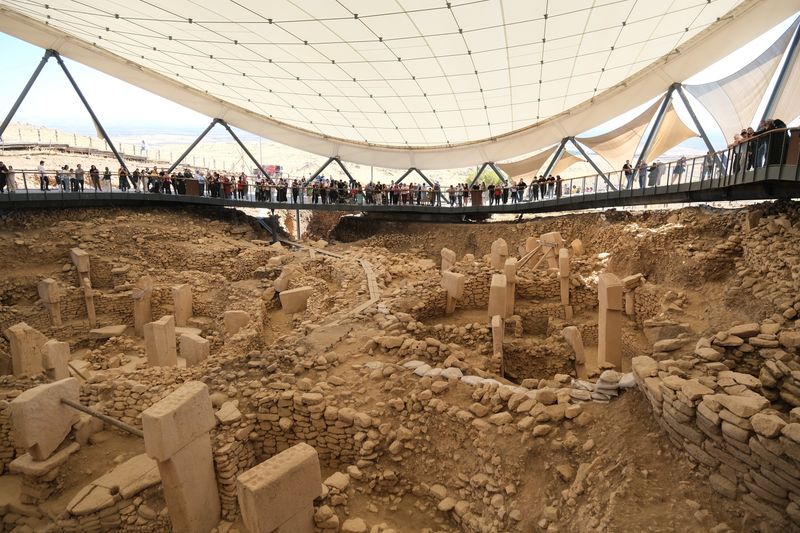
Şanlıurfa is one of the most historically significant cities in Türkiye. Its history stretches back thousands of years, and its cultural heritage is closely associated with the ancient civilizations of Upper Mesopotamia. The city is traditionally known as the City of Prophets because of its religious associations with figures such as Abraham. Main attractions: Göbekli Tepe: A prehistoric archaeological site dating back approximately 11,000 years. Its monumental T-shaped pillars and animal reliefs provide extraordinary evidence of early monumental architecture. It became a UNESCO World Heritage Site in 2018. **Balıklıgöl: **A sacred complex featuring pools filled with carp, surrounded by historic mosques and traditional architecture. **Harran: **Famous for its traditional beehive-shaped houses, ancient university tradition and archaeological remains. **Şanlıurfa Archaeology Museum: **One of the most important museums for understanding the prehistoric and ancient history of the region. Haleplibahçe Mosaic Museum: Known for its impressive Roman mosaics, including the famous Amazon warrior mosaics.
Why visit?
Şanlıurfa is an essential destination for anyone interested in the Neolithic period, early religious traditions and the origins of settled human societies.
2. Mardin: A Living Museum of Mesopotamian Architecture
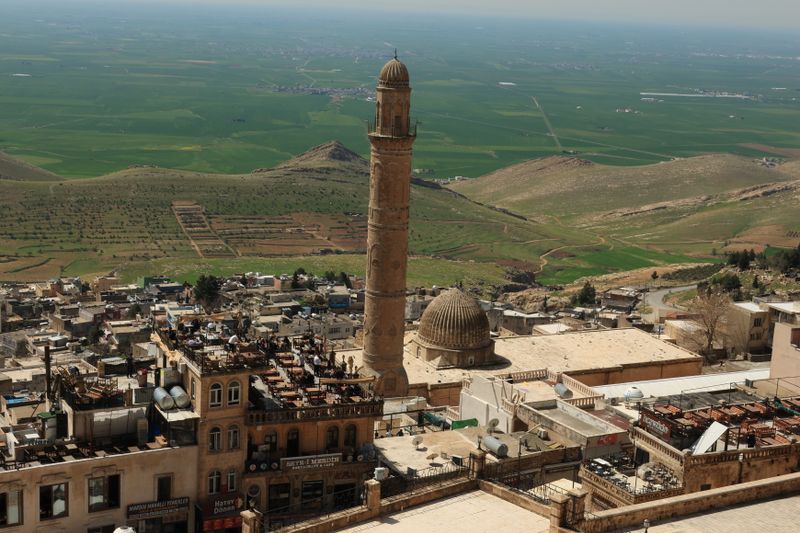
Mardin is arguably one of the most beautiful historic cities in Türkiye. Built on a hillside overlooking the Mesopotamian plains, the city is famous for its golden limestone architecture, narrow streets, historic religious buildings and multicultural heritage. For centuries, Mardin has been home to different religious and ethnic communities, including Muslims, Syriac Christians, Armenians and other communities. Its architectural character reflects centuries of interaction between these cultures.
Main attractions:
- Mardin Old Town: Explore its narrow streets, traditional stone houses, historic courtyards and beautiful viewpoints.
- Zinciriye Madrasa: A magnificent 14th-century Islamic educational complex with beautiful architectural details and panoramic views.
- Kasımiye Madrasa: An impressive historical complex representing the architectural traditions of the Artuqid and later periods.
- Deyrulzafaran Monastery: An important Syriac Orthodox monastery with a history extending back to late antiquity.
- Mor Gabriel Monastery: One of the oldest surviving Syriac Orthodox monasteries in the world. Mardin is particularly interesting because its cultural identity is not limited to its monuments. Traditional craftsmanship, Syriac religious traditions, local music and cuisine remain important parts of everyday life.
Why visit?
Mardin is an ideal destination for travellers interested in architecture, religious history, photography and the cultural diversity of Mesopotamia.
3. Gaziantep: The Gastronomic Capital of Turkey
Gaziantep is one of the most important culinary destinations in the world. Its gastronomic heritage is internationally recognized, and the city became a UNESCO Creative City of Gastronomy in 2015. However, Gaziantep is much more than its food. It also has an extraordinary archaeological and commercial history.
Main attractions:
- Zeugma Mosaic Museum: One of the largest mosaic museums in the world, displaying remarkable Roman mosaics recovered from the ancient city of Zeugma.
- Gaziantep Castle: A historic fortress overlooking the city.
- Bakırcılar Çarşısı: A traditional copper-working bazaar where visitors can observe local craftsmanship.
- Emine Göğüş Culinary Museum: A museum dedicated to the city's culinary traditions.
- Rumkale: A spectacular historic fortress overlooking the Euphrates River.
What to eat in Gaziantep:
- Antep baklava
- Pistachio desserts
- Katmer
- Ali nazik kebab
- Yuvalama
- Lahmacun
- Beyran soup
- Menengiç coffee For food lovers, Gaziantep alone can justify a trip to Southeastern Turkey.
4. Diyarbakır: The Ancient City of Black Basalt Walls
Diyarbakır is one of the oldest continuously inhabited urban settlements in the region. Its history includes Hellenistic, Roman, Byzantine, Islamic and Ottoman periods. The city's most distinctive feature is its monumental black basalt defensive walls, which dominate the historic urban landscape.
Main attractions:
- Diyarbakır City Walls: An extraordinary defensive system extending for several kilometres, with monumental gates and towers.
- Diyarbakır Grand Mosque: One of the oldest and most historically important mosques in Anatolia.
- Hevsel Gardens: Historic agricultural gardens between the city walls and the Tigris River.
- Ten-Eyed Bridge: A historic stone bridge crossing the Tigris River.
- Hasan Pasha Han: A historic caravanserai and one of the most atmospheric places in the old city. The Diyarbakır Fortress and Hevsel Gardens Cultural Landscape was added to the UNESCO World Heritage List in 2015.
Why visit?
Diyarbakır is particularly attractive to travellers interested in urban history, medieval architecture, defensive systems and the history of the Tigris River.
5. Adıyaman: Mount Nemrut and the Kingdom of Commagene
Adıyaman is home to one of the most extraordinary archaeological landscapes in Türkiye: Mount Nemrut. Located at an altitude of approximately 2,150 metres, Mount Nemrut contains the monumental funerary sanctuary of King Antiochus I of Commagene, who ruled during the first century BC. The sanctuary features enormous stone heads and statues representing Greek, Persian and local religious traditions. The monument reflects the cultural and political identity of the Kingdom of Commagene, which occupied a strategic position between the Hellenistic and Persian worlds.
Main attractions:
- Mount Nemrut: Famous for its colossal statues and spectacular sunrise and sunset views.
- Arsameia: An important archaeological site associated with the Kingdom of Commagene.
- Cendere Bridge: A remarkable Roman bridge built during the reign of Emperor Septimius Severus.
- Karakuş Tumulus: A monumental burial complex belonging to the Commagene royal family. Mount Nemrut was inscribed on the UNESCO World Heritage List in 1987.
Why visit?
Mount Nemrut is a must-see for travellers fascinated by ancient kingdoms, monumental sculpture and spectacular landscapes.
6. Halfeti: The Sunken Village on the Euphrates
Halfeti is one of the most picturesque destinations in Southeastern Turkey. Located along the Euphrates River, this historic settlement became partially submerged following the construction of the Birecik Dam. Today, visitors can explore the surrounding landscape by boat and see partially submerged buildings, historic structures and the impressive fortress of Rumkale. Halfeti is also associated with the famous black rose, although the colour and appearance of roses can vary with growing conditions.
Things to do in Halfeti:
- Take a boat trip on the Euphrates.
- Photograph the submerged minaret.
- Discover the historic village architecture.
- Visit the surrounding landscape of Rumkale.
- Enjoy traditional regional food beside the river. Halfeti offers a completely different experience from the archaeological cities of the region.
7. Hasankeyf: A Historic Settlement on the Tigris
Located in Batman Province, Hasankeyf is one of the region's most historically significant settlements. Its history includes Roman, Byzantine, Artuqid and Ottoman periods. The old settlement was dramatically transformed by the construction of the Ilısu Dam, which submerged much of its historic landscape. Some monuments were relocated to the new archaeological park, including important architectural structures. Hasankeyf remains an interesting destination for understanding the relationship between river landscapes, medieval settlements and modern development.
4. The Ancient Civilizations of Southeastern Turkey
One of the greatest attractions of this region is its extraordinary archaeological heritage. The region offers an opportunity to explore several major historical periods. PeriodHistorical significanceNeolithicGöbekli Tepe and early monumental architectureBronze AgeAssyrian trade networks and regional kingdomsIron AgeAramaean and Neo-Assyrian cultural heritagePersianAchaemenid influence and regional administrationHellenisticThe Kingdom of Commagene and Seleucid heritageRomanZeugma, Dara and Roman urban developmentByzantineEarly Christian architecture and religious institutionsIslamicAbbasid, Artuqid, Seljuk and Ottoman heritage Göbekli Tepe and the Neolithic Revolution Göbekli Tepe is among the most important archaeological discoveries of the modern era. Its monumental stone structures demonstrate that complex communal and ritual architecture existed among hunter-gatherer communities before the widespread development of agriculture.
Zeugma and Roman Civilization
Zeugma developed as an important settlement and crossing point on the Euphrates. During the Roman period, it became a wealthy commercial and military centre. Its mosaics offer extraordinary insight into Roman domestic life, mythology and artistic traditions. Dara: The Eastern Frontier of the Byzantine Empire The ancient city of Dara is particularly important for understanding the Byzantine-Sasanian frontier. Founded in the early sixth century during the reign of Emperor Anastasius I, Dara became a strategically important fortified settlement. Its underground cisterns, defensive structures, rock-cut architecture and archaeological remains make it one of the most fascinating historical sites near Mardin.
5. The Religious and Cultural Heritage of the Region
Southeastern Turkey is also a remarkable destination for understanding the history of different religious communities. The region has historically been home to Muslim, Syriac Christian, Armenian, Jewish and other communities. Some particularly important religious monuments include: Deyrulzafaran Monastery: An important centre of Syriac Orthodox Christianity. Mor Gabriel Monastery: One of the world's oldest surviving Syriac Orthodox monastic institutions. Mardin Grand Mosque: An important example of medieval Islamic architecture. Diyarbakır Grand Mosque: A historic mosque reflecting the region's Islamic architectural heritage. Şanlıurfa's Balıklıgöl: A sacred religious landscape associated with Abrahamic traditions. These monuments illustrate how different religious traditions have shaped the region over many centuries.
6. Food and Gastronomy: A Journey Through Southeastern Turkish Cuisine
Food is an essential part of the cultural experience in Southeastern Turkey. The cuisine reflects centuries of agricultural traditions, trade routes and cultural exchange. The region is particularly famous for its use of spices, pistachios, bulgur, lamb, vegetables and traditional cooking techniques. CityTraditional foodGaziantepBaklava, katmer, ali nazik, beyranŞanlıurfaUrfa kebab, çiğ köfte, lahmacunMardinKaburga dolması, sembusek, ikbebetDiyarbakırLiver kebab, meftune, içli köfteAdıyamanÇiğ köfte, Besni üzümüSiirtBüryan kebabı, perde pilavıBatmanKaburga dolması, regional meat dishes Gaziantep Baklava Gaziantep baklava is probably the most internationally recognized dessert from the region. Prepared with thin layers of pastry, pistachios and syrup, it is an important part of the city's gastronomic identity. Urfa Kebab Şanlıurfa is famous for its traditional kebabs, particularly those prepared with carefully seasoned minced lamb and cooked over charcoal. Mardin Cuisine Mardin's cuisine reflects its multicultural history. Rice dishes, stuffed vegetables, meat specialties and traditional pastries are particularly popular. Diyarbakır Liver Kebab Liver kebab is one of Diyarbakır's most distinctive culinary traditions. It is often enjoyed as a breakfast dish and served with flatbread, fresh vegetables and spices.
7. The Best Time to Visit Southeastern Turkey
Southeastern Turkey has a continental climate, with very hot summers and relatively cold winters. Spring and autumn are generally the most comfortable seasons for sightseeing. SeasonWeatherRecommendationSpring (March–May)Mild and pleasantExcellentSummer (June–August)Extremely hot in many citiesLess suitableAutumn (September–November)Generally pleasantExcellentWinter (December–February)Cold, with possible snowSuitable with planning My recommendation: Visit between April and May or September and October. These months are particularly suitable for exploring archaeological sites, walking through historic towns and visiting Mount Nemrut. For Mount Nemrut, early morning and sunset visits are popular, but weather conditions and access arrangements should be checked in advance.
8. How to Get to Southeastern Turkey
The easiest way to reach the region is by domestic flight from Istanbul or Ankara. Several cities have airports with domestic connections, including: Gaziantep Airport Şanlıurfa GAP Airport Mardin Airport Diyarbakır Airport Adıyaman Airport
Travelling by Car
Renting a car is one of the most convenient ways to explore Southeastern Turkey. It allows visitors to combine cities, archaeological sites, monasteries and smaller settlements without depending entirely on public transportation. However, distances can be considerable, and some archaeological sites require additional driving. For visitors who prefer a more comfortable experience, a private vehicle with an experienced driver and licensed tour guide can be a good option.
Travelling by Bus
Intercity buses connect major destinations such as Gaziantep, Şanlıurfa, Mardin and Diyarbakır. Bus travel is generally economical, but it may be less convenient for visiting remote archaeological attractions.
9. Suggested 7-Day Southeastern Turkey Itinerary
A seven-day itinerary is a good introduction to the region. It combines major archaeological attractions, historical cities, architecture and local gastronomy. Day 1 – Gaziantep Visit the Zeugma Mosaic Museum. Explore Gaziantep Castle and the historic bazaar. Enjoy traditional Antep cuisine. Try authentic pistachio baklava. Day 2 – Gaziantep and Halfeti Travel towards Halfeti. Enjoy a boat trip on the Euphrates. Discover the historic landscape around Rumkale. Return to Gaziantep or continue towards Şanlıurfa. Day 3 – Şanlıurfa Visit Balıklıgöl. Explore the historic bazaar. Visit the Şanlıurfa Archaeology Museum. Discover Göbekli Tepe. Day 4 – Mardin Travel to Mardin. Explore the historic old town. Visit Zinciriye Madrasa and Kasımiye Madrasa. Enjoy the panoramic Mesopotamian landscape. Day 5 – Mardin and Midyat Visit Deyrulzafaran Monastery. Explore Midyat. Visit Mor Gabriel Monastery, subject to opening arrangements. Discover traditional silver craftsmanship. Day 6 – Diyarbakır Explore Diyarbakır's historic city walls. Visit the Grand Mosque. Discover Hasan Pasha Han. Enjoy the landscape around the Tigris River. Day 7 – Adıyaman and Mount Nemrut Travel towards Mount Nemrut. Explore the Commagene archaeological landscape. Visit Cendere Bridge and Karakuş Tumulus if time permits. Planning note: This is an ambitious seven-day route. It involves considerable road travel, particularly between Diyarbakır and Mount Nemrut. An eight- or nine-day trip would provide a more relaxed experience. The itinerary should also be adapted to the actual flight schedule and opening hours.
10. How Many Days Do You Need?
The ideal duration depends on your interests and travel style. DurationRecommended experience3–4 daysGaziantep and Şanlıurfa5–6 daysGaziantep, Şanlıurfa and Mardin7–8 daysMain cities and major archaeological attractions9–10 daysA comprehensive cultural and archaeological journey12–14 daysA deeper exploration including lesser-known destinations For travellers interested in archaeology and history, I recommend at least eight days.
11. Practical Travel Tips
Before travelling to Southeastern Turkey, consider the following: Clothing: Wear comfortable walking shoes, particularly when visiting archaeological sites and historic settlements with uneven stone streets. Weather: Summers can be extremely hot. Carry water, wear sunscreen and plan outdoor visits early in the morning. Photography: Ask permission before photographing people, religious ceremonies or private spaces. Local customs: Respect religious traditions when visiting mosques, monasteries and other sacred sites. Dress appropriately. Transportation: A rental car or private vehicle provides greater flexibility, especially for visiting Göbekli Tepe, Harran, Halfeti, Midyat and Mount Nemrut. Accommodation: Boutique hotels in restored historic buildings are an excellent way to experience the architecture and atmosphere of Mardin and Şanlıurfa. Security: Check official travel advisories and local authority announcements before departure. In particular, avoid approaching the Syrian and Iraqi border areas without checking the latest restrictions.
12. Why Southeastern Turkey Should Be on Your Travel Bucket List
Southeastern Turkey is a destination where history, culture, architecture, gastronomy and natural beauty come together. It is a region where visitors can discover the beginnings of monumental architecture at Göbekli Tepe, explore the Roman mosaics of Zeugma, admire the extraordinary stone buildings of Mardin and witness the monumental sculptures of Mount Nemrut. But perhaps the most memorable part of the journey is the opportunity to experience the region's living traditions. From the hospitality of local people to the traditional bazaars, regional cuisine, religious heritage and centuries-old craftsmanship, Southeastern Turkey offers a travel experience that goes far beyond conventional sightseeing. For travellers looking for an authentic cultural journey through Türkiye, this region is one of the country's most rewarding destinations. Southeastern Turkey is not just a place to visit. It is a place to discover the story of human civilization.
Last Modification : 11/2/2026 4:02:11 AM