Introduction
The Bosphorus is not just a strait—it is the soul of Istanbul, a liquid ribbon that divides continents, connects civilizations, and carries the weight of empires. Stretching 31 kilometers (19 miles) between the Black Sea and the Sea of Marmara, this legendary waterway is where Europe and Asia meet, where history and modernity collide, and where the pulse of Turkey’s most vibrant city beats strongest.
More than a geographical marvel, the Bosphorus is a living chronicle of conquests, trade, and culture. Its shores are lined with palaces, fortresses, and villages that whisper tales of Byzantine emperors, Ottoman sultans, and modern-day Istanbulites who navigate its waters daily. To understand the Bosphorus is to understand Istanbul itself—a city that has been the heart of three great empires and remains one of the world’s most captivating metropolises.
A Strait of Myth and Legend
The Bosphorus has always been shrouded in myth. Its name derives from the Greek Bosporos, meaning "ox ford," tied to the legend of Io, a priestess of Hera transformed into a cow and forced to swim across the strait. For ancient Greeks, this narrow passage was both a boundary and a bridge, a place where the known world met the mysterious lands of the Black Sea.
But mythology soon gave way to strategic reality. The Bosphorus became one of the most contested waterways in history. Whoever controlled it commanded trade routes, military access, and the fate of empires. The Byzantines fortified its shores, the Ottomans conquered it, and modern nations still negotiate its waters under the Montreux Convention, which regulates maritime traffic to this day.
The Bosphorus as a Historical Crossroads
Byzantium and Constantinople: The First Masters of the Strait
Long before it was Istanbul, the city was Byzantium, a Greek colony founded in the 7th century BCE. Its founders chose this location precisely because of the Bosphorus—a natural bottleneck for controlling trade between the Mediterranean and the Black Sea. When Emperor Constantine made it the new capital of the Roman Empire in 330 CE, renaming it Constantinople, the strait became the lifeline of an empire that would last over a thousand years.
The Byzantines built mighty fortresses along the Bosphorus, such as the Anadolu Hisarı and Rumeli Hisarı, to defend against invaders. Yet in 1453, the Ottomans, led by Sultan Mehmed II, breached its defenses with a bold naval strategy, dragging ships overland to bypass the Byzantine chain blocking the Golden Horn. The fall of Constantinople marked the end of an era and the rise of a new Islamic empire centered on the Bosphorus.
The Ottoman Era: Palaces, Power, and Poetry
For the Ottomans, the Bosphorus was more than a strategic asset—it was a symbol of imperial grandeur. Sultans built lavish waterfront palaces like Dolmabahçe and Beylerbeyi, where European ambassadors were received in halls dripping with gold. The strait’s beauty inspired poets, painters, and travelers who marveled at its shimmering waters framed by lush hills and elegant mansions.
The Ottoman elite constructed yalıs (waterside wooden mansions) along its shores, many of which still stand today as reminders of a bygone aristocratic lifestyle. Meanwhile, fishermen, traders, and ferrymen thrived along its currents, making the Bosphorus as much a working waterway as a royal playground.
The Bosphorus Today: A Modern Artery of Istanbul
A City Divided, A City United
Though the Bosphorus separates two continents, it also unites them. Three suspension bridges—the 15 July Martyrs Bridge, Fatih Sultan Mehmet Bridge, and Yavuz Sultan Selim Bridge—soar above its waters, carrying millions between Europe and Asia daily. The Marmaray rail tunnel, running beneath the strait, further binds the city together.
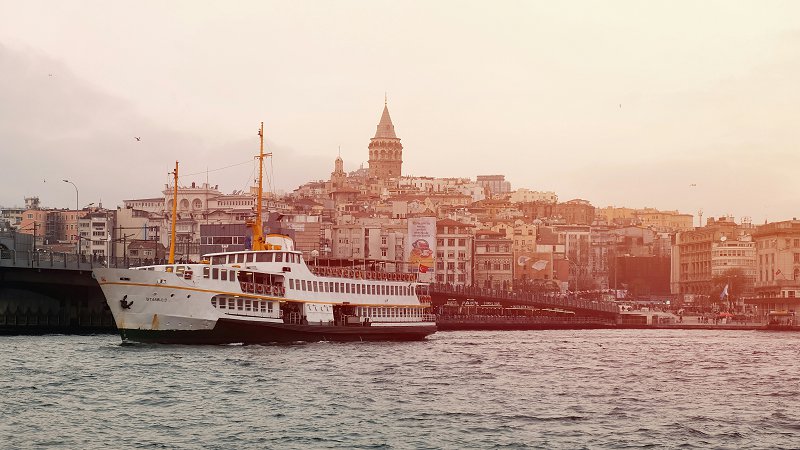
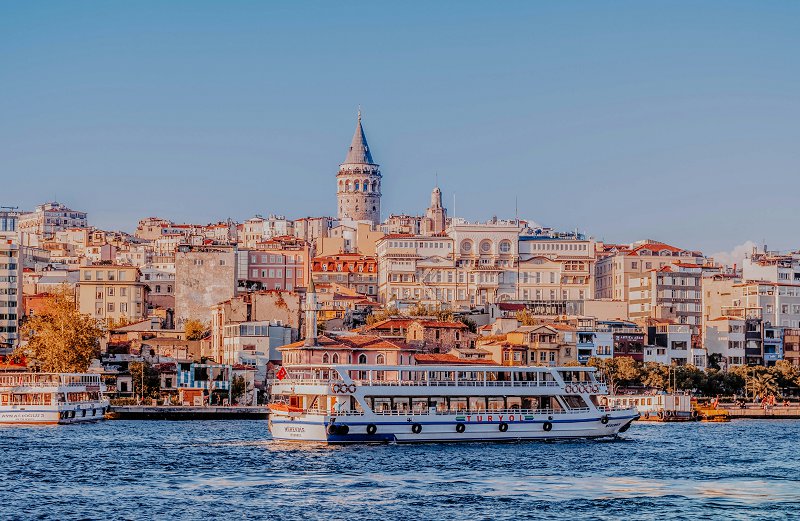
Yet the most iconic way to cross remains the ferry. Istanbul’s şehir hatları (city ferries) glide past minarets and skyscrapers, offering passengers unmatched views. A sunset Bosphorus cruise is not just a commute but an experience—one that has enchanted visitors for centuries.
Challenges of a Global Waterway
The Bosphorus is one of the world’s busiest straits, with over 50,000 vessels passing annually, including massive tankers carrying Russian and Central Asian oil. This heavy traffic poses risks—narrow bends, strong currents, and dense urban surroundings have led to tragic accidents, like the 1979 Independenta tanker collision that caused a catastrophic explosion.
Turkey strictly regulates passage under the 1936 Montreux Convention, ensuring free navigation while maintaining security. However, debates continue over whether a proposed canal bypassing the Bosphorus (the "Istanbul Canal") will alleviate congestion or create new environmental and geopolitical tensions.
The Timeless Beauty of the Bosphorus
Beyond its historical and economic significance, the Bosphorus is simply breathtaking. Its ever-changing hues—from deep blue to shimmering gold at sunset—have inspired countless artists. Orhan Pamuk, Istanbul’s Nobel laureate, writes of hüzün (melancholy) clinging to its waters, a nostalgia for lost grandeur.
From the Maiden’s Tower, a tiny islet fortress, to the bustling districts of Beşiktaş, Üsküdar, and Ortaköy, the Bosphorus is a living postcard. Fish restaurants along its shores serve the catch of the day, while tea gardens offer respite with panoramic views.
The Eternal Strait
The Bosphorus is more than a waterway—it is Istanbul’s beating heart, a witness to empires, a muse for poets, and a vital artery for global trade. It is where East meets West not just geographically, but culturally, historically, and spiritually.
To stand on its shores is to feel the weight of centuries, to see the legacy of Rome, Byzantium, and the Ottomans reflected in its waves. And as Istanbul continues to evolve, the Bosphorus remains its constant—an eternal strait that will forever define the soul of the city.