Edirne
Edirne, often referred to as the Serhat Şehri (Border City), holds a distinguished place in Ottoman history as the empire’s capital before Istanbul. Today, it stands as a living museum of architectural splendor, bearing witness to its former glory. With over 80 mosques and numerous historical landmarks, Edirne offers a journey through time for those who walk its streets.
Historical Significance
Edirne’s golden age came when it served as the Ottoman capital, a period during which it grew into one of Europe’s largest cities, with a population of 350,000. Though its political significance waned after the capital shifted to Istanbul, the city retained its architectural grandeur. Many of its most impressive structures, including mosques, bazaars, and bridges, date back to this illustrious era.
Key Attractions
Selimiye Mosque and Complex
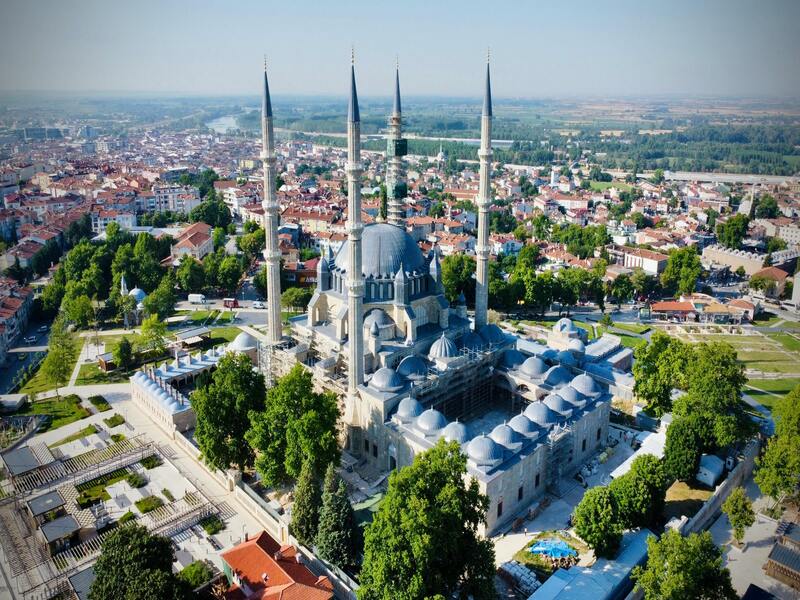
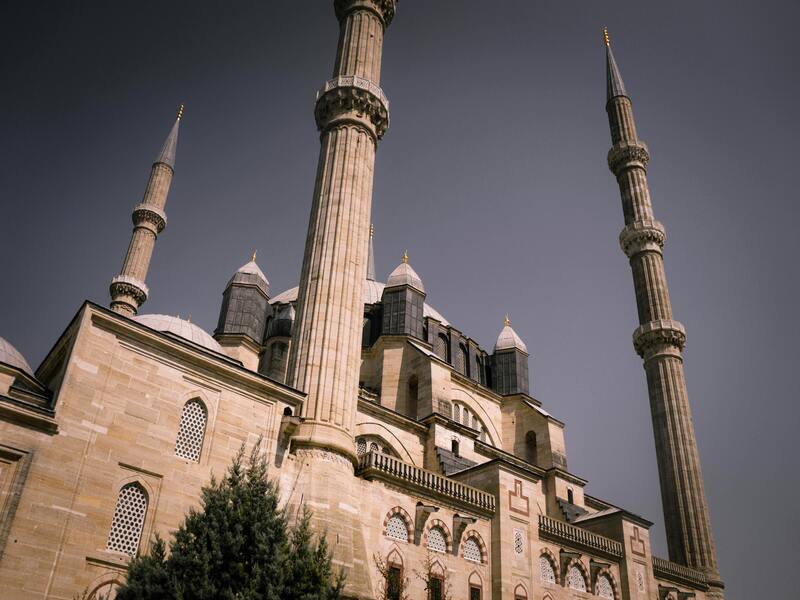
The crown jewel of Edirne, the Selimiye Mosque, was designed by the legendary Ottoman architect Mimar Sinan, who considered it his masterpiece. Its awe-inspiring dome, spanning 31.30 meters in diameter and rising 43.28 meters high, surpasses even that of Hagia Sophia. The mosque’s four slender minarets, each standing at 70.89 meters, dominate the city’s skyline.
Inside, intricate İznik tiles and marble carvings adorn the walls, with the famous Ters Lale (Upside-Down Tulip) motif adding to its mystique. The surrounding complex includes madrasas, a bazaar (arasta), and the Turkish Islamic Arts Museum, housed in the former Dar-ül Hadis Medresesi. Recognized for its architectural brilliance, the Selimiye Mosque was designated a UNESCO World Heritage Site in 2011.
Üç Şerefeli Mosque
Built in 1447, the Üç Şerefeli Mosque is a precursor to Selimiye and a marvel in its own right. Its name, meaning "Three-Balconied," comes from one of its four minarets, which features three balconies—an architectural innovation at the time. The mosque’s expansive courtyard and pioneering dome design influenced later Ottoman structures.
Turkish Islamic Arts Museum
Located within the Selimiye Complex, this museum showcases a rich collection of Ottoman calligraphy, weaponry, ceramics, and ethnographic artifacts. A dedicated section highlights Edirne’s role in the Balkan Wars, particularly the city’s defense under Şükrü Paşa.
Ali Paşa Bazaar
A striking example of Mimar Sinan’s civil architecture, the Ali Paşa Bazaar stretches 300 meters and originally housed 211 shops. Though damaged by fire in 1992, it has been meticulously restored and now features 129 shops selling traditional crafts, textiles, and spices.
Edirne’s Culinary Delights
No visit to Edirne is complete without sampling its renowned Edirne Ciğeri (pan-fried liver), a dish that has become synonymous with the city. Sweet-toothed travelers will delight in Badem Ezmesi (almond paste) and Deva-i Misk, a historic herbal paste sold in the Arasta Bazaar.
Other Notable Sites
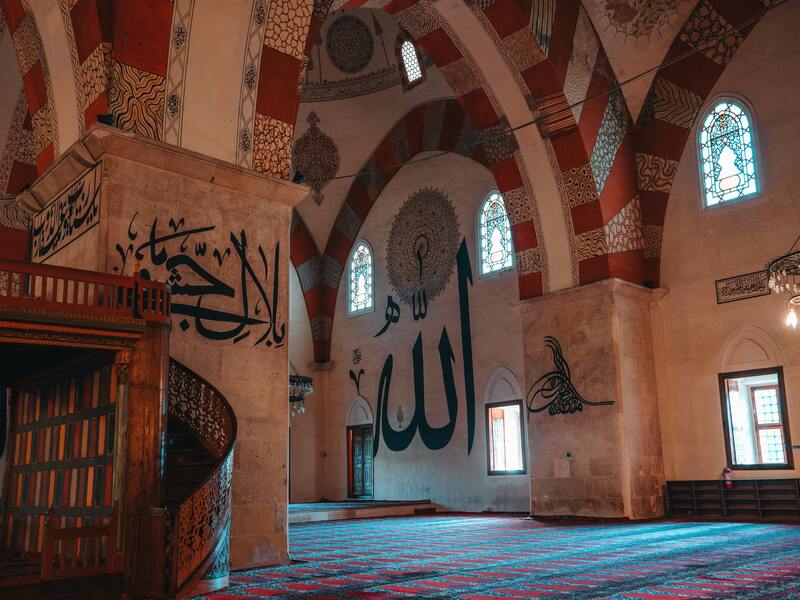
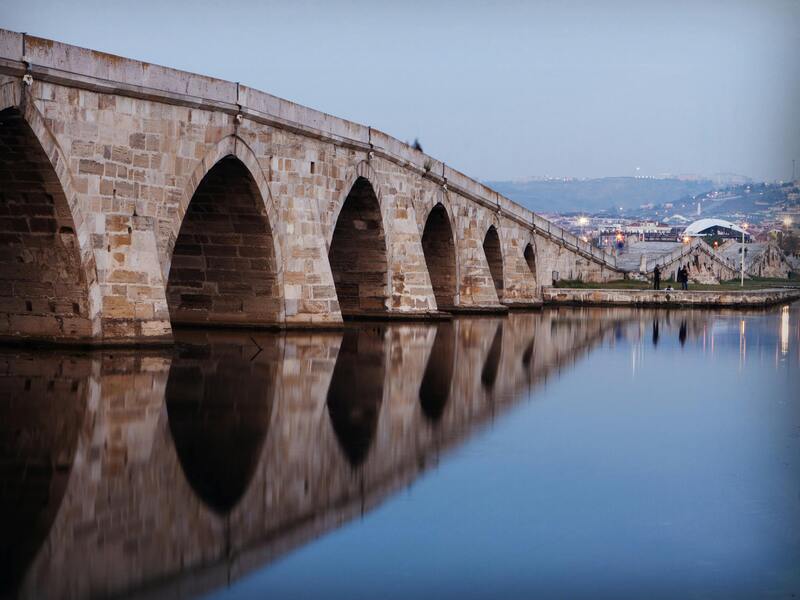
The Eski (Old) Mosque, completed in 1414, is celebrated for its monumental calligraphy, while the Beyazıd II Complex, constructed in 1488, once functioned as a hospital and now serves as a health museum. The city’s Ottoman-era bridges, including the Meriç and Fatih Bridges, gracefully span the Tunca River, offering picturesque views. Edirne: The Crossroads of History and Culture in Thrace
Karaağaç: The "Paris of the East"
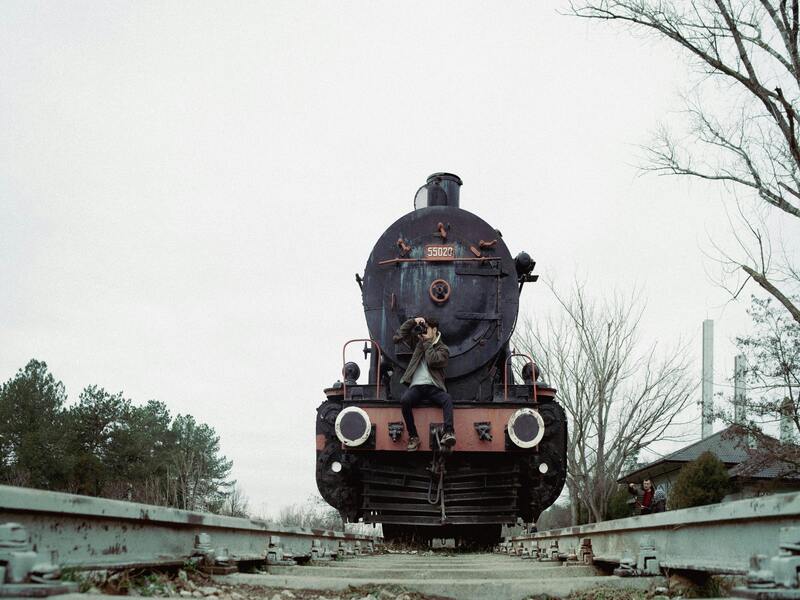
Once a glamorous retreat for Ottoman elites, Karaağaç was famed for its lush gardens, elegant Art Nouveau villas, and vibrant social scene, complete with casinos, theaters, and summer cinemas. Though its golden age faded after the Balkan Wars, recent restoration efforts have begun to revive its nostalgic charm. A key landmark is the Lozan Monument, a striking sculpture commemorating the 1923 Treaty of Lausanne. Its three towering columns symbolize Anatolia, Thrace, and Karaağaç itself, standing as a testament to the region’s historical significance. Nearby, the grand but now-abandoned Ottoman-era train station, built in 1873, has been repurposed into Trakya University’s Lozan Museum, where visitors can explore exhibits on the diplomatic history that shaped modern Turkey.
Sarayiçi: Where History and Tradition Collide
Sarayiçi, once the sprawling grounds of the grand Edirne Palace (Saray-ı Hümayun), was the Ottoman Empire’s second-most important royal residence after Topkapı. Though earthquakes and neglect reduced most of the palace to ruins, the surviving Adalet Kasrı (Justice Tower) still stands as a silent witness to its former glory. Today, Sarayiçi is best known as the vibrant stage for the annual Kırkpınar Oil Wrestling Festival, a centuries-old tradition where pehlivans (wrestlers) compete in a spectacle of strength and endurance. Legend has it that the festival began in 1354 when two wrestlers, locked in an endless match, were buried beneath a spring that still flows today—giving the event its name, "Kırkpınar" (Forty Springs).
Museums: Echoes of the Past
The Health Museum, housed in the 15th-century Beyazıt II Külliye Darüşşifa, offers a fascinating glimpse into Ottoman medicine, where treatments included music therapy and aromatic herbs. Recognized by UNESCO, this historic hospital now features interactive displays that bring its innovative healing methods to life. Nearby, the Archaeology and Ethnography Museum showcases treasures spanning millennia, from prehistoric fossils to intricate Ottoman woodwork known as Edirnekâri. For a deeper dive into Islamic art, the Turkish-Islamic Arts Museum, located within the Selimiye Complex, displays rare manuscripts, including Sultan Selim II’s personal Quran, and the poignant "Kanlı Sancak" (Bloody Flag) from the Balkan Wars.
A Taste of Edirne
No visit to Edirne is complete without savoring its iconic dishes. Crispy Edirne ciğeri (liver) is a must-try, best enjoyed a local institution. For something sweet, the almond-based badem ezmesi is a delightful treat.
Hidden Gems and Final Notes
Beyond the city center, the Enez Fortress stands as a silent sentinel near the Greek border, blending Byzantine and Ottoman architecture. The region’s rivers are bridged by marvels of Ottoman engineering, such as the Uzunköprü (Long Bridge), a testament to the empire’s infrastructural prowess. Whether you’re drawn to history, culture, or cuisine, Edirne and its surroundings offer a rich tapestry of experiences waiting to be explored.
Practical Information
Visitors should note that the Selimiye Mosque is undergoing partial restoration until March 2025, with the main dome area temporarily closed. However, other sections remain accessible. For deeper historical insights, the Archaeology and Ethnography Museum and the Balkan War Museum provide fascinating exhibits on the region’s past.
Edirne’s unique blend of imperial heritage and borderland resilience makes it a must-visit destination for history and architecture enthusiasts. Whether marveling at Sinan’s masterpieces, wandering through ancient bazaars, or savoring its culinary traditions, the city offers an unforgettable journey into the heart of Ottoman splendor.
Last Modification : 9/18/2026 12:35:22 AM