The name Tekirdağ has a pleasant ring to it. But where does this name come from? The answer lies in the city's ancient history. "Tekirdağ" evolved over time from "Tekfurdağı", a combination of the Ottoman word "Tekfur" (meaning "governor, ruler, Byzantine prince") and the word "dağ" (mountain). This name is an etymological treasure that tells of the city's importance as a Byzantine border fortress and its subsequent honor under Ottoman rule.
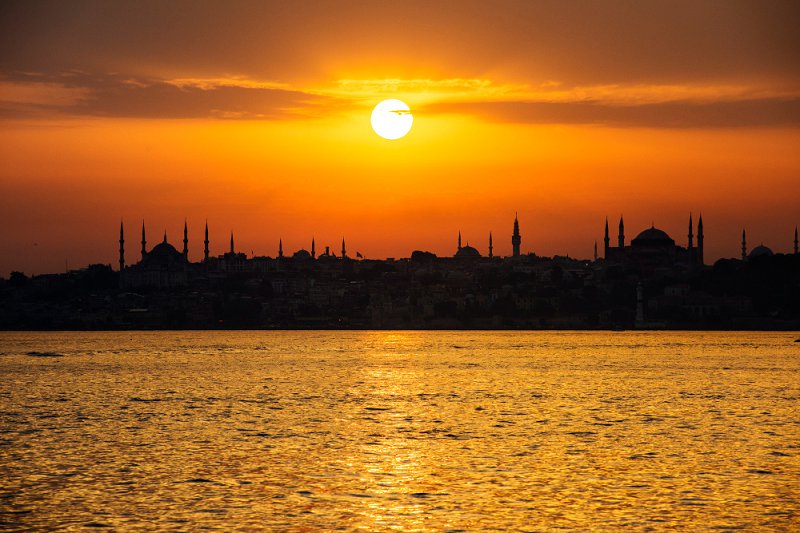
As the sun sets its last rays upon the cerulean blue of the Sea of Marmara at Saray Burnu, the wind strikes your face. In that moment, you understand Tekirdağ; you feel it carries both the harshness of the continent and the temperate character of the sea. This wind has caressed and shaped the history of this Tracian gem for centuries. It carries the breath of Roman emperors, Ottoman sultans, migrants, sailors, an exiled Hungarian prince, and perhaps most importantly, the childhood breath of the patriot poet Namık Kemal. Tekirdağ is where this wind blows; not merely a passageway, but a destination in its own right, with its unique texture, even a place of refuge.
To understand the soul of this city, one must know one of the greatest intellectuals it nurtured: Namık Kemal. Born in these lands on December 21, 1840, Kemal became the conscience not only of Tekirdağ but of an entire generation. Through works like "Vatan yahut Silistre" (Homeland or Silistra) and "İntibah" (Awakening), and immortal lines like his "Hürriyet Kasidesi" (Ode to Freedom), he expanded the intellectual horizons of a nation, etching the concepts of "homeland" and "freedom" into the memory of Ottoman society. His statue in the city is not just a monument; it is a salute to Tekirdağ's brave and enlightened spirit.
The tangible evidence of this ancient history and culture awaits you in an old governor's mansion, the Tekirdağ Archaeology and Ethnography Museum. Inside this elegant building, the millennia-old story of the region unfolds before your eyes: Stone tools and pottery from the Neolithic and Chalcolithic Ages carry the traces of the first farmers. Archaeological grave steles offer clues to the ancient world's perception of death and life. Finds from the Naip Tumulus, believed to belong to one of Alexander the Great's commanders and considered sculptural masterpieces, transport visitors to the glorious days of the Hellenistic Period. Amphorae used in wine trade, witnesses to the city's most ancient tradition of viticulture, remind us that Tekirdağ has always been a center of wine and commerce. The museum culminates with Ottoman-era ethnographic artifacts, creating an unbroken chain of culture from thousands of years ago to the present.
Yet, Tekirdağ's historical fabric has hosted another great figure: Prince II. Ferenc Rákóczi, freedom fighter of Hungary. After his struggle for independence against the Habsburgs in the early 18th century, Rákóczi sought refuge in the Ottoman Empire and lived in Tekirdağ from 1720 to 1735. The stone house that can be visited as the Rákóczi Museum is a hidden page of European history on the streets of the city. This museum is a silent witness not only to an exile but also to the respect and friendship built between two cultures.
Tekirdağ is not only a gateway to the past but also to the present and future. The most vibrant proof of this is the Tekirdağ Festival, held every June, which brings the city's energy to its peak. With its massive stage set up along the coast, this festival offers the chance to watch live performances by popular Turkish artists from all over the country. Thousands of people rejoice with all-day concerts to the cool breeze of the Sea of Marmara, having fun and uniting. With delicious street food, handicraft stalls, and play areas for children, the festival showcases Tekirdağ's modern face and hospitality in all its vibrancy.
Down at the port, a different energy prevails. The hustle of fishing boats, the sizzle of teapots, and the stories of the day mingling with the shimmering light on the water... This is where the city's pulse beats. And this pulse beats most strongly towards its cuisine. The first thing that comes to mind with Tekirdağ is, of course, its famous köfte (meatballs). But its secret lies not only in its spices but in the warmth of a centuries-old culture and the diversity on the table of a prince and a poet who once lived on these lands. And alongside it, Tekirdağ rakı... The continuation of a tradition, crystal clear and fragrant with anise. This duo is the indispensable part of the city's table.
Venture a little outside the city, and another treasure awaits you: Şarköy and Mürefte. Roads winding through vineyards take you to these paradise corners, famous for their wines, under the shade of olive trees. The descendants of the wines carried in the ancient amphorae in the museum mature in these very vineyards today.
Tekirdağ is too deep a city to fit into the lines of an ordinary promotional article. Its soul is hidden in the history of the "Tekfur" from which its name originates, in Namık Kemal's cry of "vatan", in the Neolithic axe and Hellenistic grave stele in its museum, in the lively June festival, in the old dirt roads of Thrace, in the vineyards, in the nets of fishermen, in the rakı glasses of friendly gatherings, and in the memories of an exiled prince. Tekirdağ is not just to be seen; it is to be felt. To understand it, you must travel through millennia in the Archaeology Museum, witness the love of freedom in Rákóczi's house, feel a nation's awakening at Namık Kemal's statue, get caught up in the excitement of the June festival, feel the warmth of its people, and listen to the stories that famous wind tells, from Tekfurdağı to the present day. Then you will understand that Tekirdağ is a noble and delicious feast on the shore of the Sea of Marmara, open to everyone, even to kings and poets.