Turkey (Türkiye)
Perched at the crossroads of Europe and Asia, Turkey is a land where empires have risen and fallen, where East meets West not just geographically but culturally, historically, and politically. This transcontinental nation, with its 783,562 square kilometers of rugged mountains, fertile plains, and sparkling coastlines, has been a stage for some of humanity's most pivotal moments.
The Turkish landscape tells a story of geological drama. To the north, the Black Sea's moody waters lap against forested slopes, while the Mediterranean's turquoise embrace defines the southern coast. Between them rise the Pontic and Taurus mountain ranges, framing the Anatolian plateau where civilizations have flourished for millennia. Mount Ararat, snow-capped and solitary, watches over this ancient land, its slopes said to shelter Noah's legendary ark.
History breathes through Turkey's very soil. At Göbekli Tepe, mysterious stone circles whisper of a time before writing, before cities, when hunter-gatherers erected what may be the world's first temple. The Hittites, those formidable chariot warriors, carved their empire from these rocky hills, leaving cuneiform tablets that still speak across three thousand years. Along the Aegean coast, the ghosts of Greek colonists walk through the ruins of Ephesus, where marble columns stand sentinel over what was once the Roman Empire's second city.
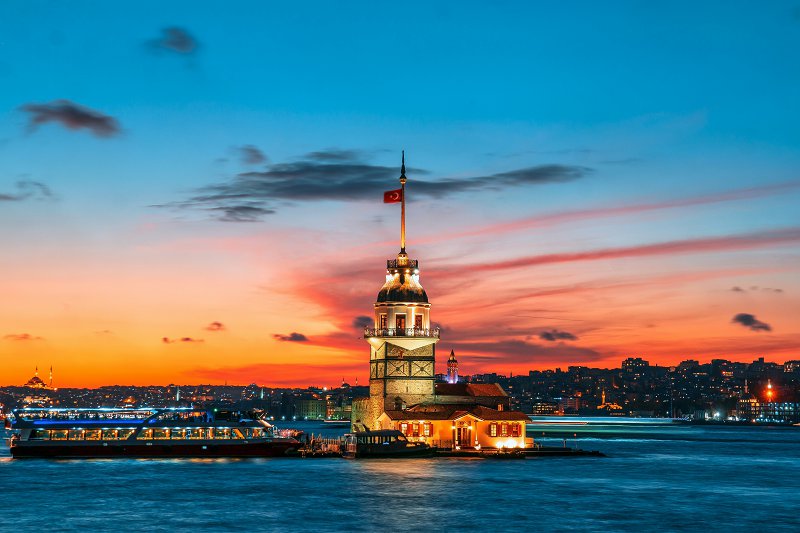
Istanbul, the city that bestrides two continents, embodies Turkey's dual nature. The Hagia Sophia's vast dome, built when this was Constantinople, has watched empires change hands - from Byzantine Christians to Ottoman Muslims, each leaving their mark in gold mosaics and towering minarets. The Grand Bazaar's labyrinthine alleys smell of spice and leather, while ferries crisscross the Bosphorus, that strategic ribbon of water that has decided the fate of nations.
Modern Turkey emerged from the ashes of the Ottoman Empire through the vision of Mustafa Kemal Atatürk, who in 1923 forged a secular republic from an Islamic caliphate. Today, Turkish cities hum with industry and ambition, while rural Anatolia preserves traditions unchanged for generations. The country's strategic position keeps it at the center of global affairs, balancing its NATO membership with complex relationships across the Middle East and Central Asia.
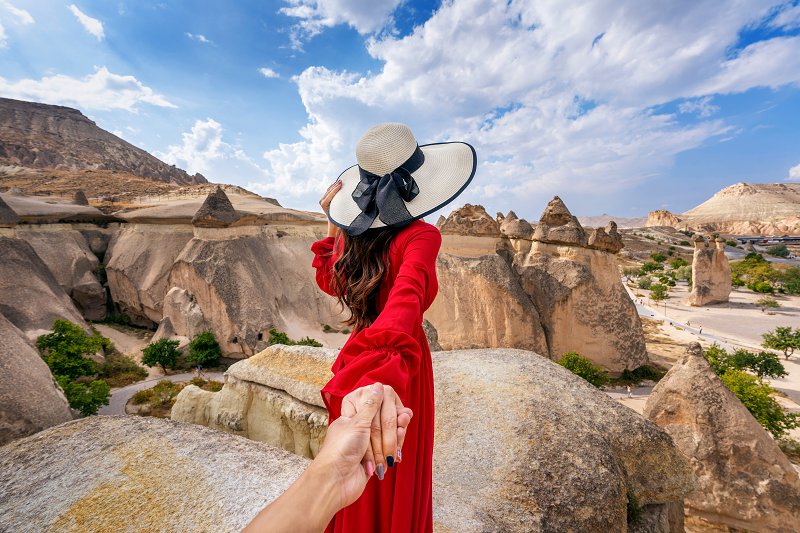
From the fairy chimneys of Cappadocia to the battlefields of Gallipoli, from the olive groves of the Aegean to the tea plantations of the Black Sea, Turkey offers not just a journey through space, but through time itself. It remains what it has always been - a bridge between worlds, a mirror where Europe and Asia see themselves reflected, and a land where history is never truly past.
Last Modification : 9/18/2026 12:36:34 AM